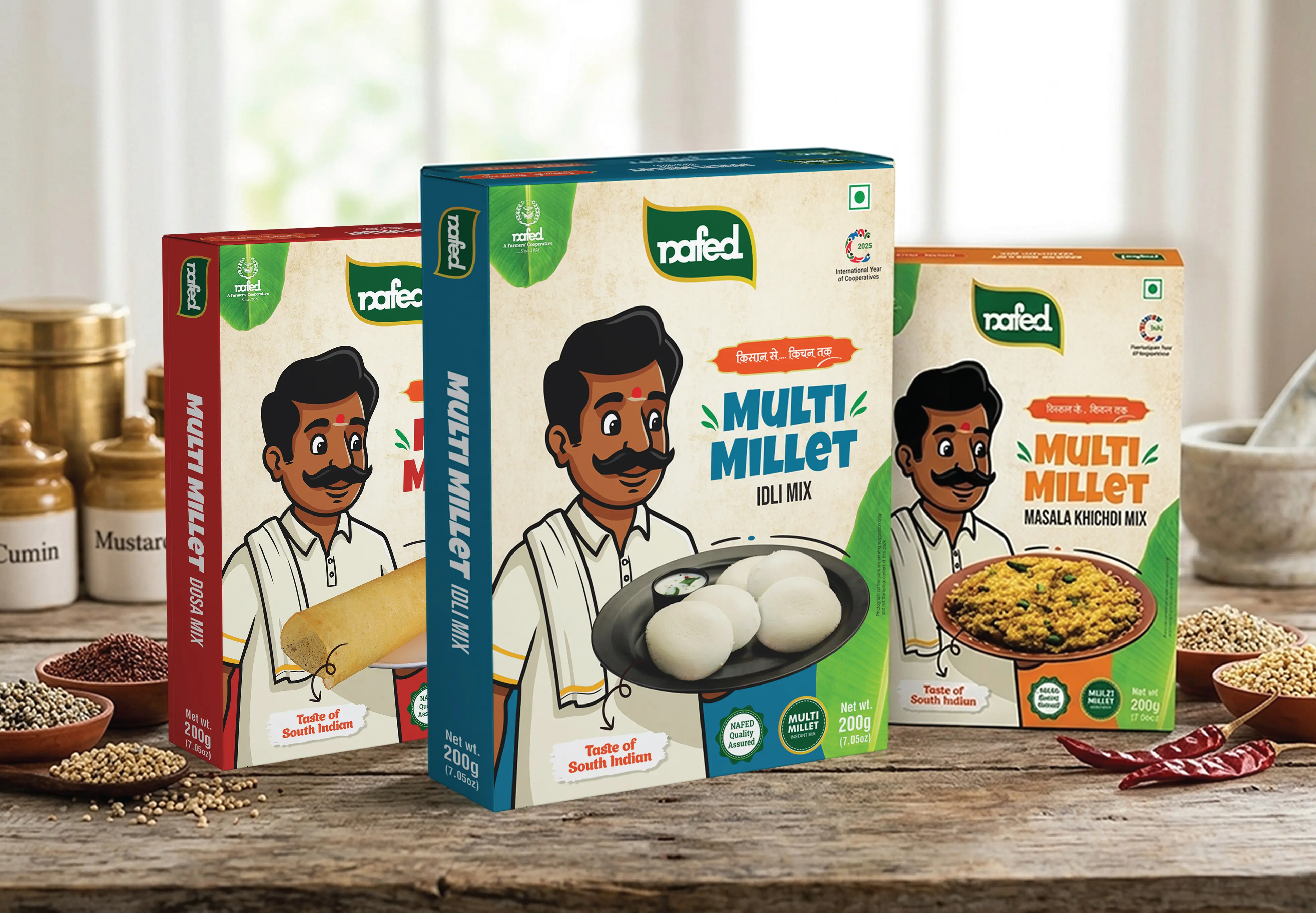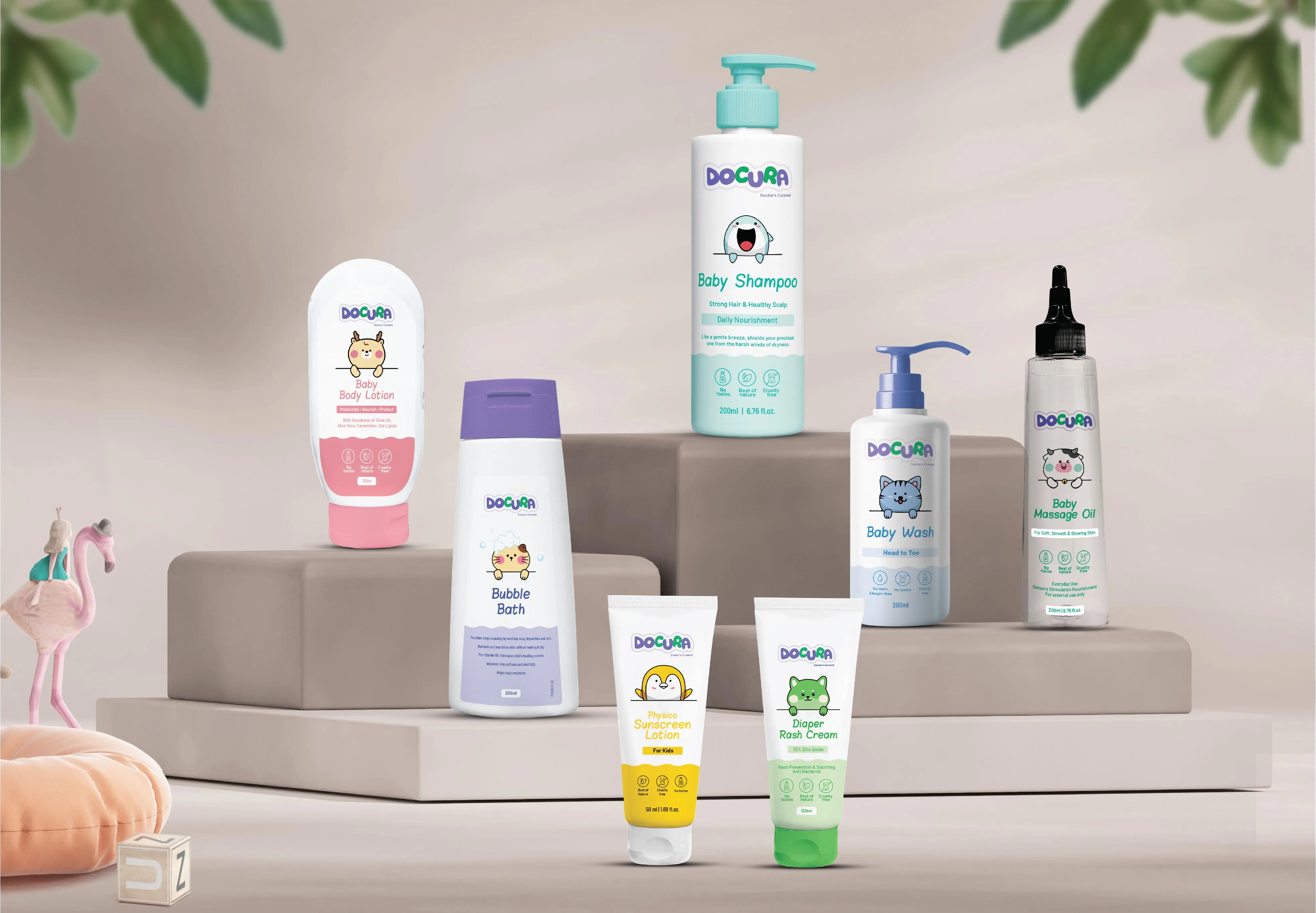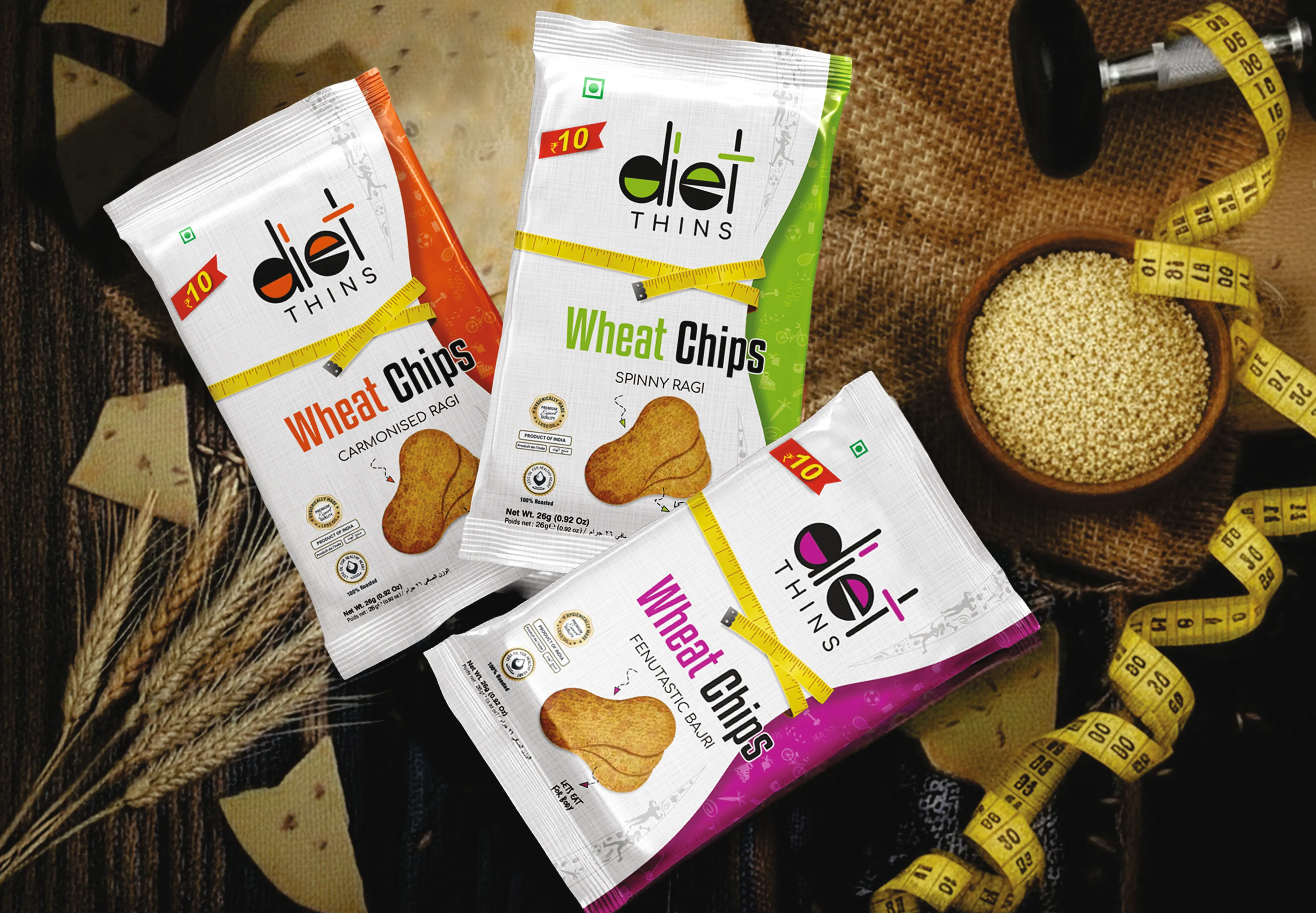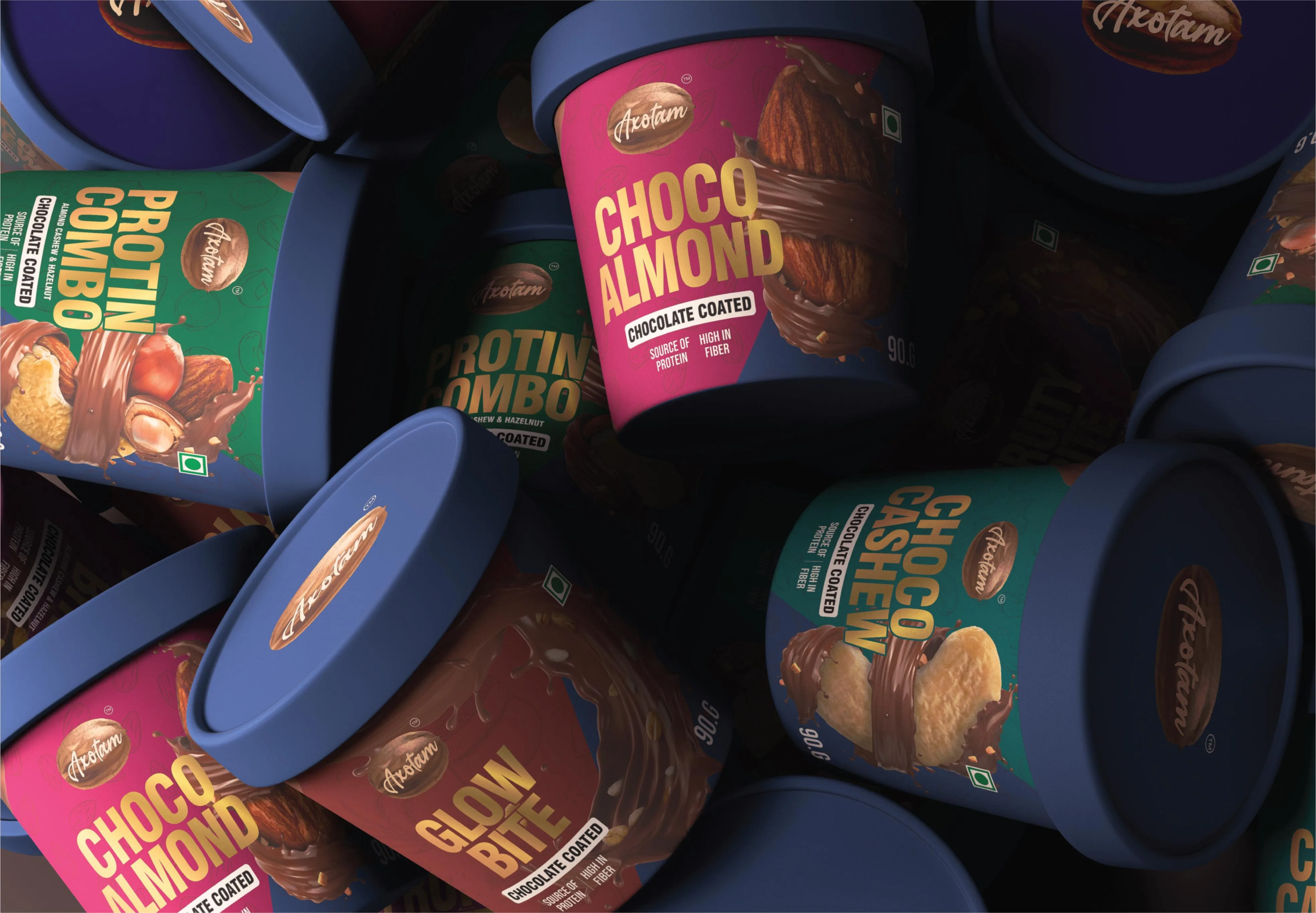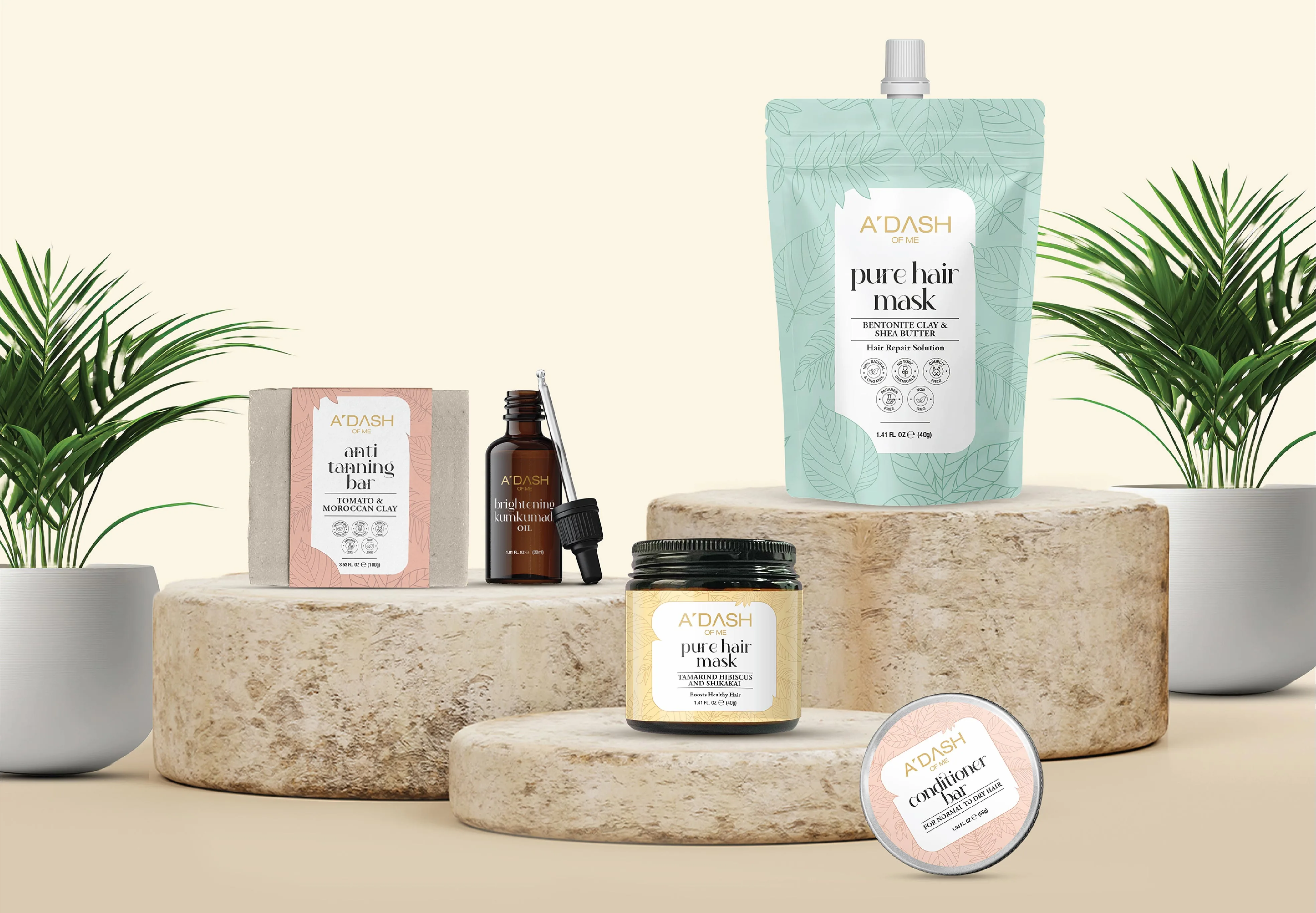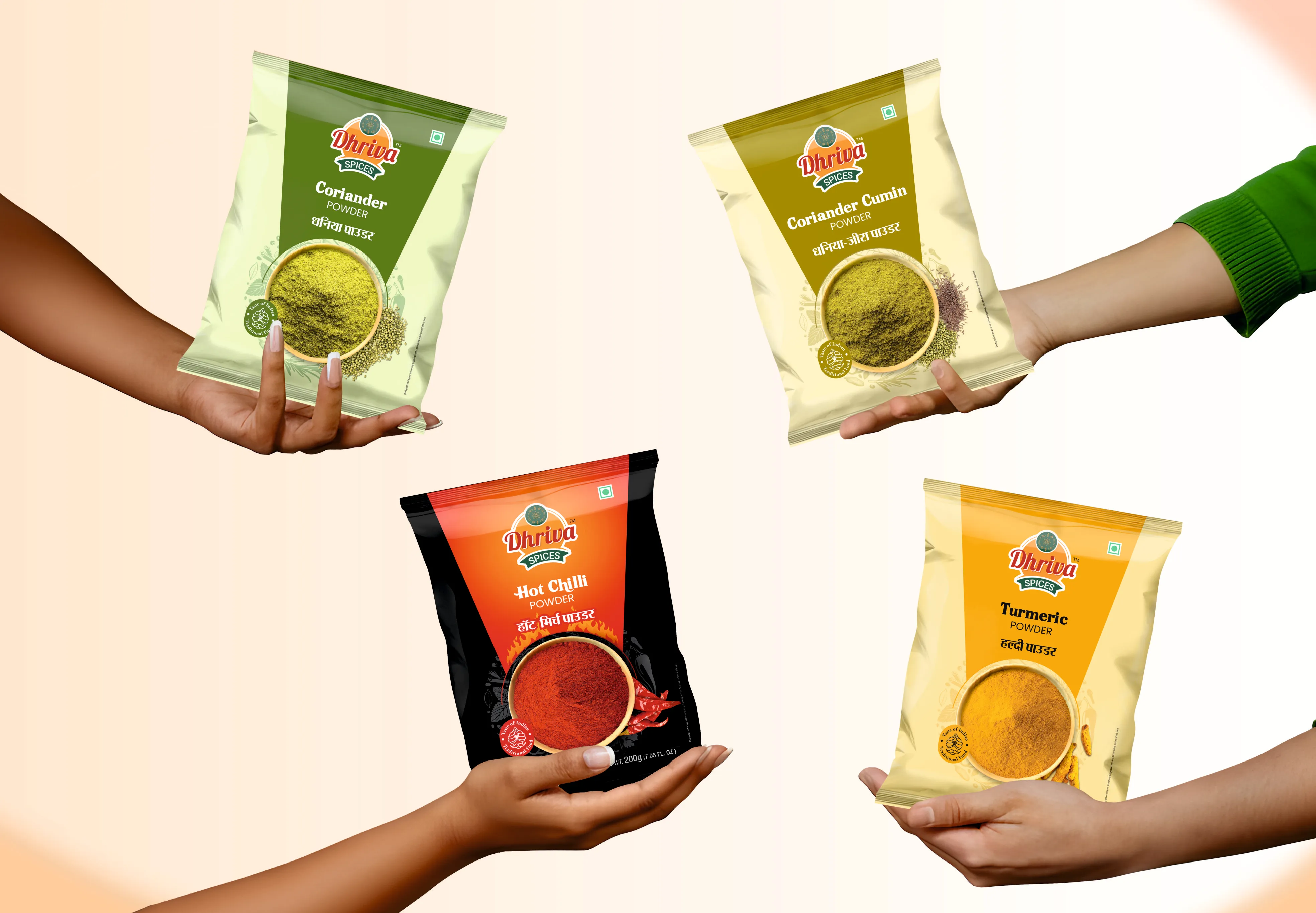
Packaging a product is no longer just a wrapper; it is your brand’s first salesperson. The FMCG packaging trends 2026 show that consumers skim through crowded shelves and online listings in under 3-7 seconds, which means your pack has to say everything at once: quality, trust, and “main tumhe try karna chahunga”.
The future of packaging design is holistic – strategy, story, sustainability, and smart UX all in one format. At Palsa Design Studio, we’ve seen how powerful packaging can transform a product from “just another option” to “must-have.” We build packaging that is not only visually sharp but also strategically aligned to your category, channel, and target consumer. Let’s break down the packaging design trends 2026 that FMCG brands must prepare for and how you can stay ahead of the game.
1. Minimalism That Actually Stands Out
Gone are the days of cluttered packaging screaming for attention. One of the biggest modern packaging design trends is clean, minimal, and intentional design. But wait, minimal doesn’t mean boring. It means clarity. It means choosing what not to say. Think bold typography, fewer colours, and lots of breathing space. This approach aligns strongly with minimalist packaging design, helping brands communicate authenticity and trust.
Indian consumers are also evolving; today’s buyer appreciates simplicity. As part of Indian FMCG packaging trends, minimalism is becoming a premium signal. Packaging design trends 2026 clearly show that less is more, but only if done right.
2. Hyper-Localized Packaging Strategy
India is not one market; it’s 100 markets in one. That’s why localised packaging strategy is becoming a game-changer.
Brands are now designing region-specific packaging with:
- Local languages
- Cultural references
- Festive editions
Yeh sirf design nahi hai, it’s an emotional connection. For example, a snack brand might tweak packaging visuals for Maharashtra vs Tamil Nadu. This approach is deeply rooted in FMCG packaging trends 2026 and is shaping the future of packaging design. At Palsa Design Studio, localised storytelling is a key part of branding strategy, because relatability = sales.
3. Sustainable & Smart Materials
Let’s be real, eco-friendly packaging is no longer optional. It’s expected. One of the strongest packaging design trends 2026 is sustainability combined with innovation:
- Biodegradable materials
- Recyclable mono-material packaging
- Reusable containers
Consumers are asking, “Yeh product planet ke liye safe hai ya nahi?” This shift is redefining modern packaging design trends, especially in urban India. As part of Indian FMCG packaging trends, brands that ignore sustainability risk losing trust. The future of packaging design is green, but also smart.
4. Interactive & Tech-Enabled Packaging
QR codes are just the beginning. The next wave of FMCG packaging trends 2026 includes:
- Augmented Reality (AR) experiences
- Scan-to-learn features
- Digital storytelling
Imagine scanning a pack and seeing the brand story come alive, kya baat hai! This trend blends physical and digital, making packaging more engaging than ever. It’s a huge part of the future of packaging design, especially for younger audiences. Packaging design trends 2026 are clearly moving toward immersive experiences, and brands need to catch up fast.
5. Bold Typography & Expressive Visuals
Minimalism doesn’t mean playing it safe. In fact, bold fonts and expressive graphics are dominating modern packaging design trends.
We’re seeing:
- Oversized typography
- Hand-drawn elements
- Experimental layouts
Yeh sab attention grab karte hain, especially on crowded retail shelves. This shift is also visible in Indian FMCG packaging trends, where brands are becoming more playful and expressive. At Palsa Design Studio, typography is treated as a hero element, not just a supporting detail.
6. Transparency & Honest Design
Consumers today are smart, “sab samajh aata hai.” They want honesty. One of the key packaging design trends 2026 is transparency:
- Clear ingredient communication
- Visible product windows
- Honest labeling
No more overpromising. No more confusing claims. This trend is shaping the future of packaging design, especially in categories like food, skincare, and wellness. And yes, it’s becoming a core part of FMCG packaging trends 2026.
7. Personalisation & Limited Editions
“Yeh mere liye bana hai”, that feeling sells. Brands are leveraging personalisation through:
- Name-based packaging
- Limited edition designs
- Seasonal drops
This approach is gaining traction in modern packaging design trends and is especially effective in urban markets. As part of Indian FMCG packaging trends, personalisation helps brands stand out in a crowded space. Packaging design trends 2026 show that customisation isn’t just cool, it’s powerful.
8. Multi-Sensory Packaging Experience
Packaging is no longer just visual, it’s sensory. We’re talking about:
- Textured surfaces
- Unique opening experiences
- Sound and tactile feedback
Yeh sab consumer ko “feel” karata hai product. This trend is shaping the future of packaging design by making interactions memorable. It’s also becoming a key part of FMCG packaging trends 2026, especially in premium segments.
9. Storytelling Through Design
Every pack has a story, bas usse sahi tarah se batana hai. One of the most impactful packaging design trends 2026 is narrative-driven design:
- Origin stories
- Founder journeys
- Ingredient sourcing
This builds trust and emotional connection. At Palsa Design Studio, storytelling is deeply integrated into packaging and branding. Because at the end of the day, people don’t just buy products, they buy stories.
10. Integrated Branding & Packaging Systems
Packaging is no longer a standalone element; it’s part of a larger brand ecosystem. The best modern packaging design trends focus on consistency across:
- Packaging
- Digital presence
- Retail experience
This holistic approach defines the future of packaging design. As part of FMCG packaging trends 2026, brands are investing in cohesive visual identities that work everywhere, from shelves to screens.
Why FMCG Brands Must Act Now
If you’re in the FMCG space, ignoring packaging design trends 2026 is not an option. Consumers are evolving. Markets are getting competitive. Shelf space is limited. And let’s be honest, first impressions matter. At Palsa Design Studio, we specialise in creating packaging and branding solutions that align with:
- FMCG packaging trends 2026
- modern packaging design trends
- Indian FMCG packaging trends
From strategy to execution, everything is designed to make your brand stand out, because “average” simply doesn’t sell anymore.
How To Future‑Proof Your FMCG Packaging
If you’re an FMCG brand in India, the time to rethink your packaging is now. Here is how to align with packaging design trends 2026:
- Audit your current pack: Does it still look relevant in 2026? Or is it stuck in 2020 minimalism?
- Revisit your localised packaging strategy: Are your visuals and language speaking to your core audience, not just to your internal team?
- Integrate sustainability without sacrificing shelf impact, the future of packaging design rewards brands that prove, not just claim.
- Experiment with minimalist packaging design plus bold colours that cut through clutter.
- Start thinking digitally: Can your pack be a mini‑content hub through QR, AR, or even simple usage tips?
At Palsa Design Studio, we don’t just design pretty boxes. We build packaging systems that align with FMCG packaging trends 2026, modern packaging design trends, and Indian FMCG packaging trends, so your brand grows faster, not just prettier.
FAQs
What’s the biggest change in packaging design coming in 2026?
The biggest shift in packaging design is sustainability. It is becoming a design standard rather than just a nice-to-have, samjhe na? Consumers & governments are pushing for packaging that’s compostable, recyclable, or reusable. Brands are moving away from excess plastic and exploring innovative alternatives like plant-based plastics, mushroom foams and paper composites.
How can my brand make its packaging more sustainable without sacrificing looks or protection?
It is all about making smart choices, simple si baat hai. Brands are focusing on creating designs that use fewer materials, choosing widely recyclable options like cardboard and biodegradable alternatives. For e.g., some brands are switching from plastic containers to paper-based packaging. The goal is to reduce your environmental footprint while ensuring your product is safe and appealing on the shelf.
What does “personalised packaging” mean for FMCG products, and why is it important now?
Personalised packaging means creating designs according to a specific audience or moment, often through digital printing. Some of the examples are region-specific artwork, limited-edition collaborations, or even unique designs for different digital influencers. This trend is gaining traction because consumers want more than just products, thoda hatke experience chahiye. They want experiences & personalisation helps brands stand out, build loyalty, and show customers they’re truly paying attention.
Is nostalgic packaging just a passing fad, or should my brand consider it?
Nostalgic packaging is definitely making a strong comeback, and honestly, yeh trend rukne wala nahi hai. But now it is not about directly copying old designs, but about blending retro elements with modern layouts, printing, and materials. This approach helps create an instant emotional connection and can make younger consumers see your brand as authentic. Some of the key elements include serif fonts, muted earth tones, and illustrative badges that mimic vintage labels, all of which have been reinterpreted with a contemporary twist.
How can packaging help my brand connect with customers beyond just looking good on a shelf?
Packaging in 2026 is becoming much more interactive, and that’s where the real game changes, boss. Brands are using smart packaging features like QR codes to turn a simple box into a communication tool. Customers can easily scan these codes to learn about the product, watch tutorials or verify its authenticity. This makes the packaging an engaging, multi-sensory experience that builds trust and provides more product information.